How AI and Data Centers Are Reshaping Electricity Demand
BACK TO PAGE

How AI and Data Centers Are Reshaping Electricity Demand (and What It Means for Homes, Businesses, and Communities in British Columbia)

Lovelyn Ayeni

January 2026

Electricity used to feel predictable. You used what you needed, paid your bill, and moved on, but that’s starting to change.

Across British Columbia, electricity demand is growing quickly, and long-term energy planning is becoming more complex. For homes, businesses, and communities, this shift shows up as greater uncertainty about future energy costs and grid capacity.

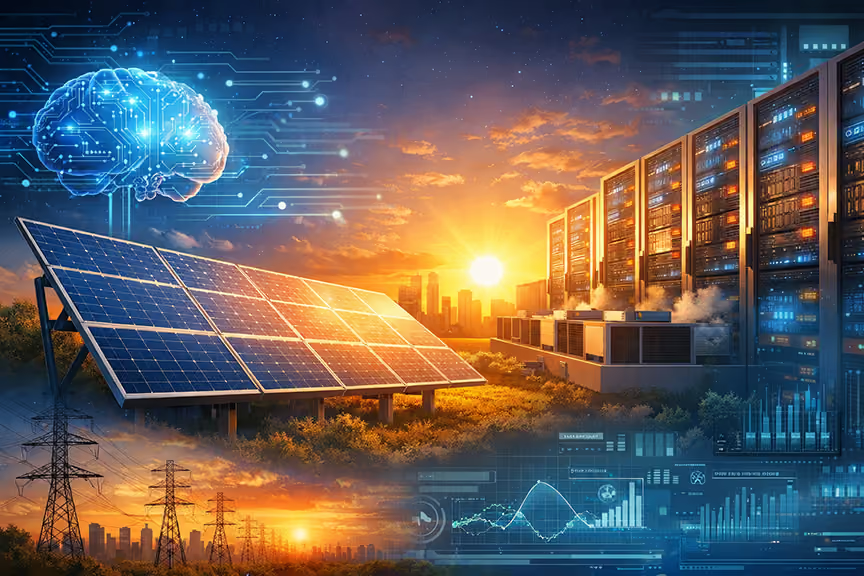
One of the biggest drivers of this change is something most people never see: the rapid expansion of digital infrastructure, especially data centers that power cloud computing and artificial intelligence.

Why do data centers draw so much electricity?

Data centers don’t “pause” like a laptop. They run 24/7 and require constant cooling to keep servers operating safely. A recent report released through the U.S. Department of Energy found that data centers consumed about 4.4% of total U.S. electricity in 2023, and that figure could grow to between 6.7% and 12% by 2028

That’s a massive share of total demand. And while those numbers are based on the U.S., the underlying trend is relevant here too: as more digital services expand, electricity planning becomes harder.

The Canadian Climate Institute has also flagged the growing impact of AI and data centers on electricity grids and planning, including the need to integrate these loads without driving costs up for everyone else.

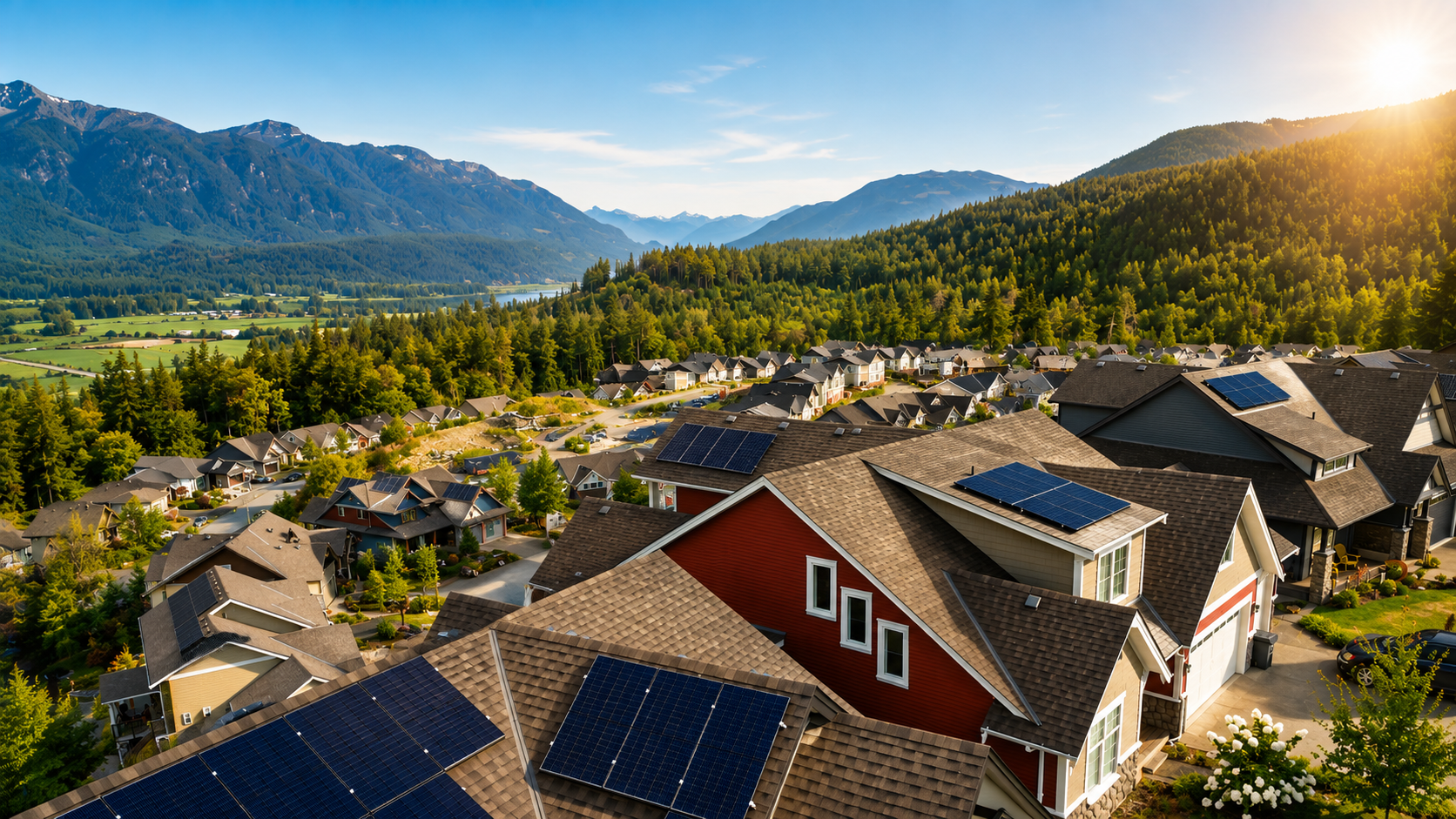
This isn’t just a “big city” issue, meaning small cities like Kamloops is part of the story too.

Kamloops is emerging as a real hub for data infrastructure. Bell has announced major AI computing and data center plans in the region, including a facility at Thompson Rivers University and additional planned builds over the next few years.

Why does that matter? Because large, always-on loads like data centers don’t just affect one company. They affect how the grid must plan for supply, capacity, and system upgrades over time.

It isn’t just AI; electrification is rising across BC

Data centers are only one part of the bigger shift. Electricity demand is rising because more of everyday life is moving onto the grid:

  • Transportation is electrifying (EVs).
  • Buildings are electrifying (heat pumps).
  • Industry and businesses are switching from fossil fuels to electricity.
  • Population growth increases baseline demand.

BC Hydro's long-term planning reflects this reality, with its Integrated Resource Plan focused on how the province will meet future electricity needs.

What does the rise in electricity demand mean for electricity costs

When electricity demand rises, the cost of electricity almost always rises with it.

More demand means utilities must build more infrastructure: new generation projects, transmission lines, substations, and grid upgrades. These systems require long-term capital investment, and those costs are ultimately recovered through customer rates.

In other words, as the system becomes more expensive to operate and expand, electricity becomes more expensive to buy.

BC Hydro has stated that electricity demand is projected to grow by about 15% by 2030, driven by population growth, industrial expansion, and the shift to clean energy.

Even in a province with substantial renewable resources, where about 97% of generation comes from renewable sources, meeting that future demand reliably still requires new planning and investment.

For energy users, this means less certainty around future bills and greater exposure to rate increases tied to infrastructure expansion and system constraints.

Why does this create a new opening for solar

This is where solar stops being just an environmental story.

In a world where grid demand is rising from multiple directions, solar becomes a practical tool for cost stability and resilience:

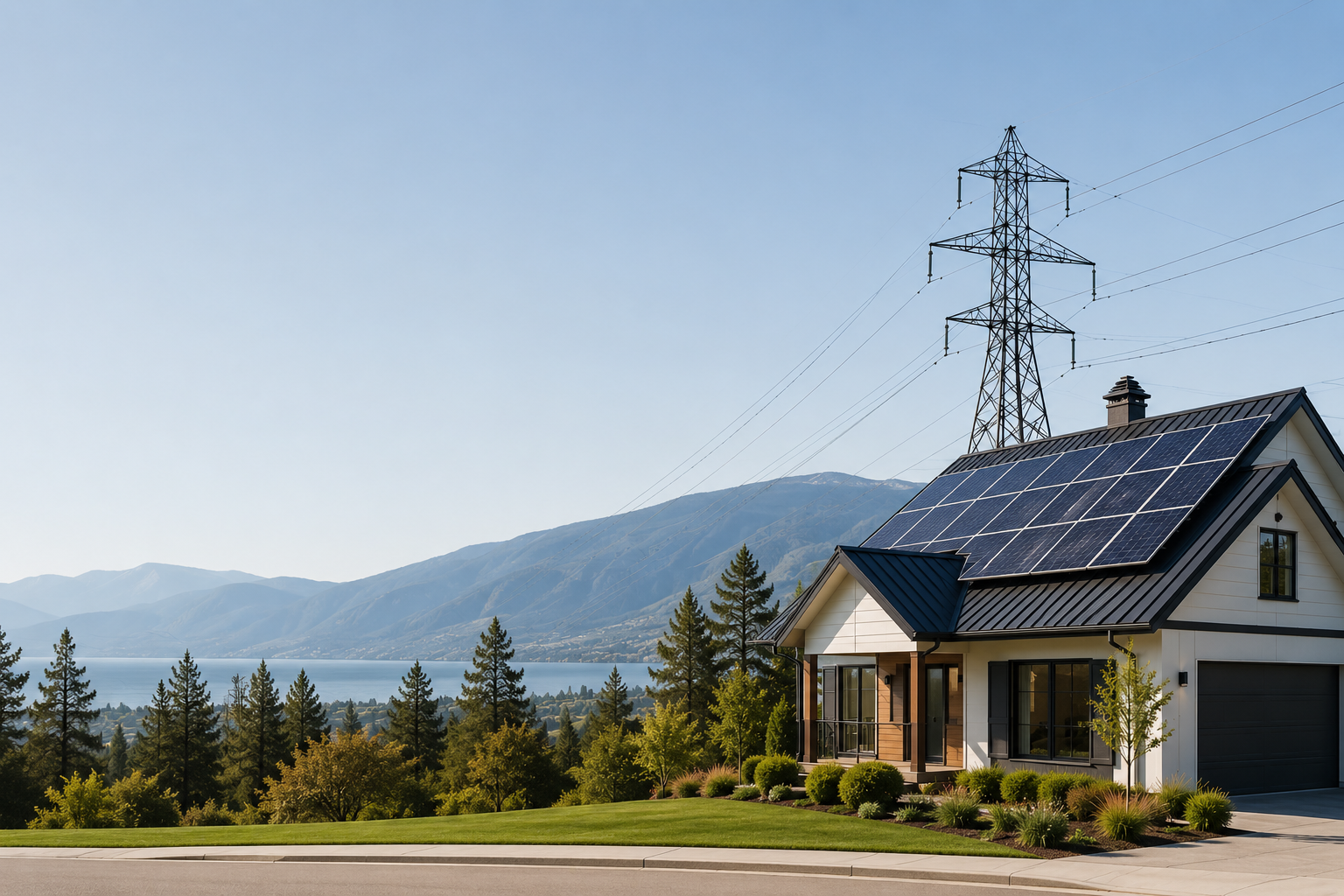
  • For homeowners, it can reduce exposure to long-term cost increases and add predictability.
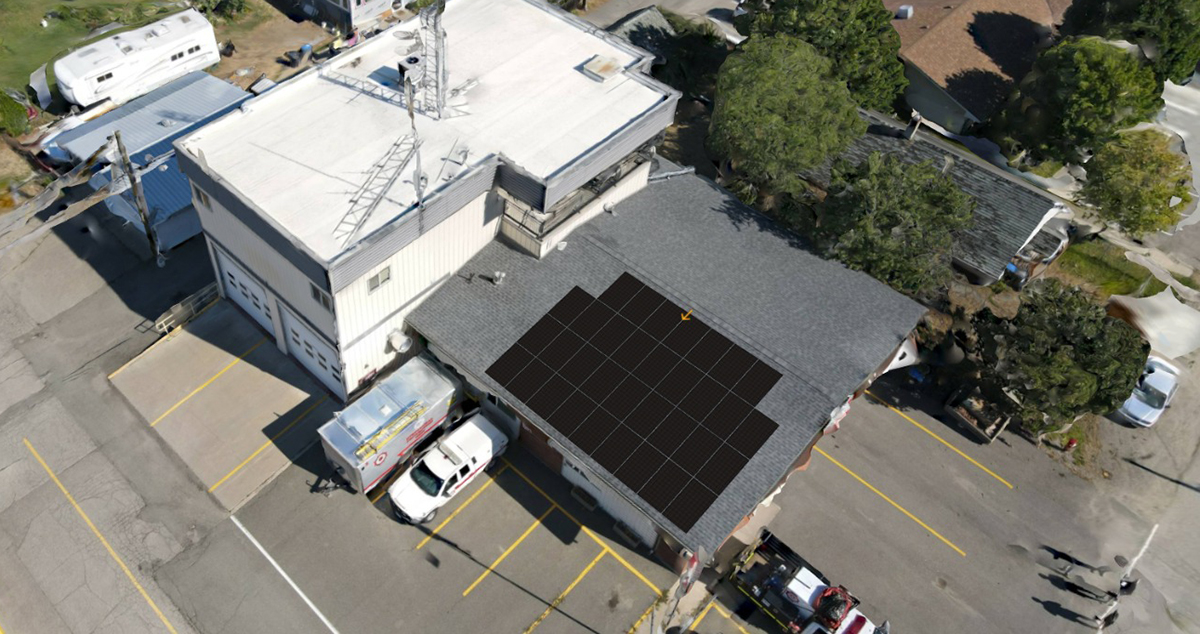
  • For businesses, it can lower operating costs and improve long-term forecasting.
  • For First Nations communities, it can support energy resilience, reduce reliance on diesel in remote settings, and increase local control.

From “green upgrade” to real resilience

In today’s energy landscape:

  • Solar becomes a form of distributed energy infrastructure.
  • It complements grid power instead of replacing it.
  • It reduces long-term cost uncertainty, particularly as new loads (like AI/data centers) keep growing.

This framing resonates with people and organizations that are thinking strategically about energy, not only when rebates are available.

What communities and organizations can do now

The first step is clarity around usage and future needs:

  • Audit current electricity consumption (home, business, facilities).
  • Factor in future additions like EV charging, electrified heating, or expansion plans.
  • Explore solar and storage solutions that match real demand patterns.

The bigger idea is simple: the more you understand your load, the better your energy decisions become.

In conclusion, electricity planning isn’t static; it’s evolving.

According to BC Gov News, BC is actively adjusting its planning for future electricity demand. For example, the province has discussed allocating electricity capacity to sectors such as AI and data centers as part of a long-term economic and energy strategy.

That means energy users of all sizes, from households to businesses to community-scale facilities, should be thinking about energy differently.

Distributed technologies like solar are no longer fringe options. They’re becoming strategic investments in resilience and cost management in a world where electricity demand is growing in new and unpredictable ways.

Talk to an advisor

Curious what this means for your home, business, or community? Contact our team, and we can help you understand your energy use and explore long-term options.

TESTIMONIAL
Request a Quote
What type of system are you looking for?*
Submit
Oops! Something went wrong while submitting the form.
How AI and Data Centers Are Reshaping Electricity Demand
BACK TO PAGE

How AI and Data Centers Are Reshaping Electricity Demand (and What It Means for Homes, Businesses, and Communities in British Columbia)

January 2026

Electricity used to feel predictable. You used what you needed, paid your bill, and moved on, but that’s starting to change.

Across British Columbia, electricity demand is growing quickly, and long-term energy planning is becoming more complex. For homes, businesses, and communities, this shift shows up as greater uncertainty about future energy costs and grid capacity.

One of the biggest drivers of this change is something most people never see: the rapid expansion of digital infrastructure, especially data centers that power cloud computing and artificial intelligence.

Why do data centers draw so much electricity?

Data centers don’t “pause” like a laptop. They run 24/7 and require constant cooling to keep servers operating safely. A recent report released through the U.S. Department of Energy found that data centers consumed about 4.4% of total U.S. electricity in 2023, and that figure could grow to between 6.7% and 12% by 2028

That’s a massive share of total demand. And while those numbers are based on the U.S., the underlying trend is relevant here too: as more digital services expand, electricity planning becomes harder.

The Canadian Climate Institute has also flagged the growing impact of AI and data centers on electricity grids and planning, including the need to integrate these loads without driving costs up for everyone else.

This isn’t just a “big city” issue, meaning small cities like Kamloops is part of the story too.

Kamloops is emerging as a real hub for data infrastructure. Bell has announced major AI computing and data center plans in the region, including a facility at Thompson Rivers University and additional planned builds over the next few years.

Why does that matter? Because large, always-on loads like data centers don’t just affect one company. They affect how the grid must plan for supply, capacity, and system upgrades over time.

It isn’t just AI; electrification is rising across BC

Data centers are only one part of the bigger shift. Electricity demand is rising because more of everyday life is moving onto the grid:

  • Transportation is electrifying (EVs).
  • Buildings are electrifying (heat pumps).
  • Industry and businesses are switching from fossil fuels to electricity.
  • Population growth increases baseline demand.

BC Hydro's long-term planning reflects this reality, with its Integrated Resource Plan focused on how the province will meet future electricity needs.

What does the rise in electricity demand mean for electricity costs

When electricity demand rises, the cost of electricity almost always rises with it.

More demand means utilities must build more infrastructure: new generation projects, transmission lines, substations, and grid upgrades. These systems require long-term capital investment, and those costs are ultimately recovered through customer rates.

In other words, as the system becomes more expensive to operate and expand, electricity becomes more expensive to buy.

BC Hydro has stated that electricity demand is projected to grow by about 15% by 2030, driven by population growth, industrial expansion, and the shift to clean energy.

Even in a province with substantial renewable resources, where about 97% of generation comes from renewable sources, meeting that future demand reliably still requires new planning and investment.

For energy users, this means less certainty around future bills and greater exposure to rate increases tied to infrastructure expansion and system constraints.

Why does this create a new opening for solar

This is where solar stops being just an environmental story.

In a world where grid demand is rising from multiple directions, solar becomes a practical tool for cost stability and resilience:

  • For homeowners, it can reduce exposure to long-term cost increases and add predictability.
  • For businesses, it can lower operating costs and improve long-term forecasting.
  • For First Nations communities, it can support energy resilience, reduce reliance on diesel in remote settings, and increase local control.

From “green upgrade” to real resilience

In today’s energy landscape:

  • Solar becomes a form of distributed energy infrastructure.
  • It complements grid power instead of replacing it.
  • It reduces long-term cost uncertainty, particularly as new loads (like AI/data centers) keep growing.

This framing resonates with people and organizations that are thinking strategically about energy, not only when rebates are available.

What communities and organizations can do now

The first step is clarity around usage and future needs:

  • Audit current electricity consumption (home, business, facilities).
  • Factor in future additions like EV charging, electrified heating, or expansion plans.
  • Explore solar and storage solutions that match real demand patterns.

The bigger idea is simple: the more you understand your load, the better your energy decisions become.

In conclusion, electricity planning isn’t static; it’s evolving.

According to BC Gov News, BC is actively adjusting its planning for future electricity demand. For example, the province has discussed allocating electricity capacity to sectors such as AI and data centers as part of a long-term economic and energy strategy.

That means energy users of all sizes, from households to businesses to community-scale facilities, should be thinking about energy differently.

Distributed technologies like solar are no longer fringe options. They’re becoming strategic investments in resilience and cost management in a world where electricity demand is growing in new and unpredictable ways.

Talk to an advisor

Curious what this means for your home, business, or community? Contact our team, and we can help you understand your energy use and explore long-term options.

Button Text -->